

Welcome
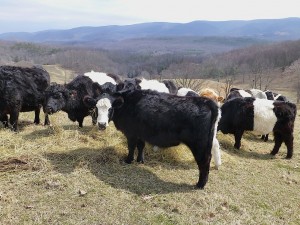
The Galloway is one of the world’s longest established breeds of beef cattle, that is named for the galloway region of Scotland.
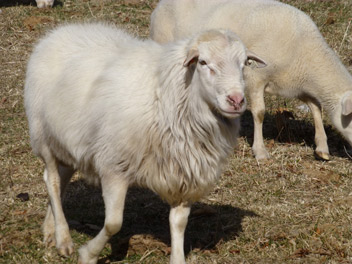
Katahdin Sheep
The Katahdin sheep is a breed that was developed in Maine, USA and named for the highest peak in Maine, Mt. Katahdin.
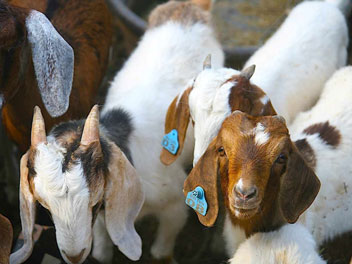
Boer Goats
The Boer Goat is a breed of meat goat that was developed in South Africa in the early 1900’s. The name “boer” means farmer in Afrakaan language.
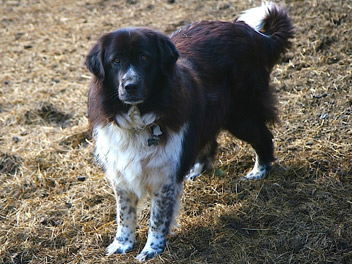
Karakachan Dogs
The Karakachan dog is a livestock guardian dog that originated in the Karakachan mountains of Bulgaria.
Our Mission
We at Glen Eyrie raise registered Galloway cattle, Katahdin sheep and Boer goats.
But first and foremost in our minds is how we raise grass. We are obsessed with grass. Grass is everything to us. We can hardly have a conversation on the farm without the word grass coming up. Why the fixation on grass- livestock need grass to thrive. Their digestive system is designed for grass. For millennium bovines have been eating grass. The introduction of grain into livestock’s diet has had detrimental effects on their lives and therefore on the meat we eat. Grain changes the way their digestive operates for the worse, making their stomachs more acidic. When that happens they are just not as healthy or happy.
With every decision we make on the farm we consider what impact it will have on our pastures. We strive for the absolute best pastures possible. Our pastures are looked at everyday and frequent soil and forage samples are taken to insure we are managing them correctly.
Great grass means healthy and content animals and that is our mission.
The way the animals are handled is almost as import as grass. Loud, boistriouis rodeo style handling techniques cause stress and possible injury to the animal. It raises the acidity of the meat thus causing it to be tough. Prolonged stress can cause animals to become sick and lowers their immune system. Slow easy handling techniques insure the animals are relaxed and comfortable in their environment.
We strive to handle our animals humanly, slowly, with soft voices and deliberate actions. Meat from relaxed animals is tenderer and will keep longer.
So to sum up what we are about, everyday we work hard to produce meat that tastes as good as it did several decades ago before farms got turned into factories.